
This paper shows that in complex economies, more possible scenarios does not mean more opportunities. It can mean the opposite: fewer realistic chances for everyone to benefit from changing the deal.
That helps explain why large systems can feel “stuck” after shocks—even when participants are smart, cooperative, and motivated.
Category: Business
Research-driven insights on markets, innovation, and strategy. Learn how new studies shape business trends and decisions.

What If One Hidden Data Point Could Beat Traditional Pricing? A Surprising Breakthrough in AI-Era Revenue Strategy
A new research paper introduces a surprisingly powerful idea in pricing: a seller may need only one hidden sample of customer demand to make pricing […]

Why Working From Home Doesn’t Fix the Real Problem for Disabled Workers — And What Actually Will
Remote work was supposed to be the great equalizer. The pandemic forced companies to rethink everything, and for millions of workers with disabilities, it felt […]
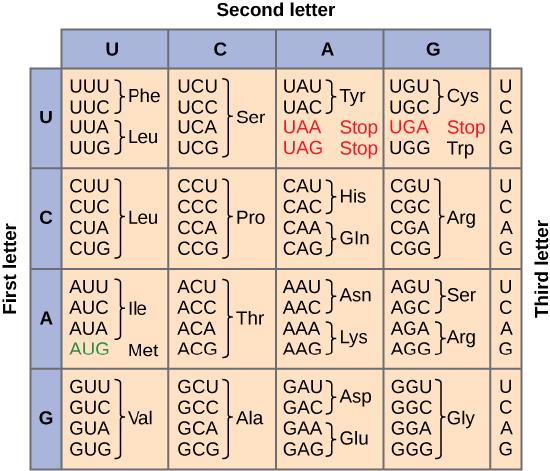
BioBridge: Teaching LLMs to “Read” Proteins Without Forgetting How to Think
Protein science has a scale problem: databases like UniProt contain millions of protein sequences, but only a tiny fraction have reliable experimental annotations. That gap […]
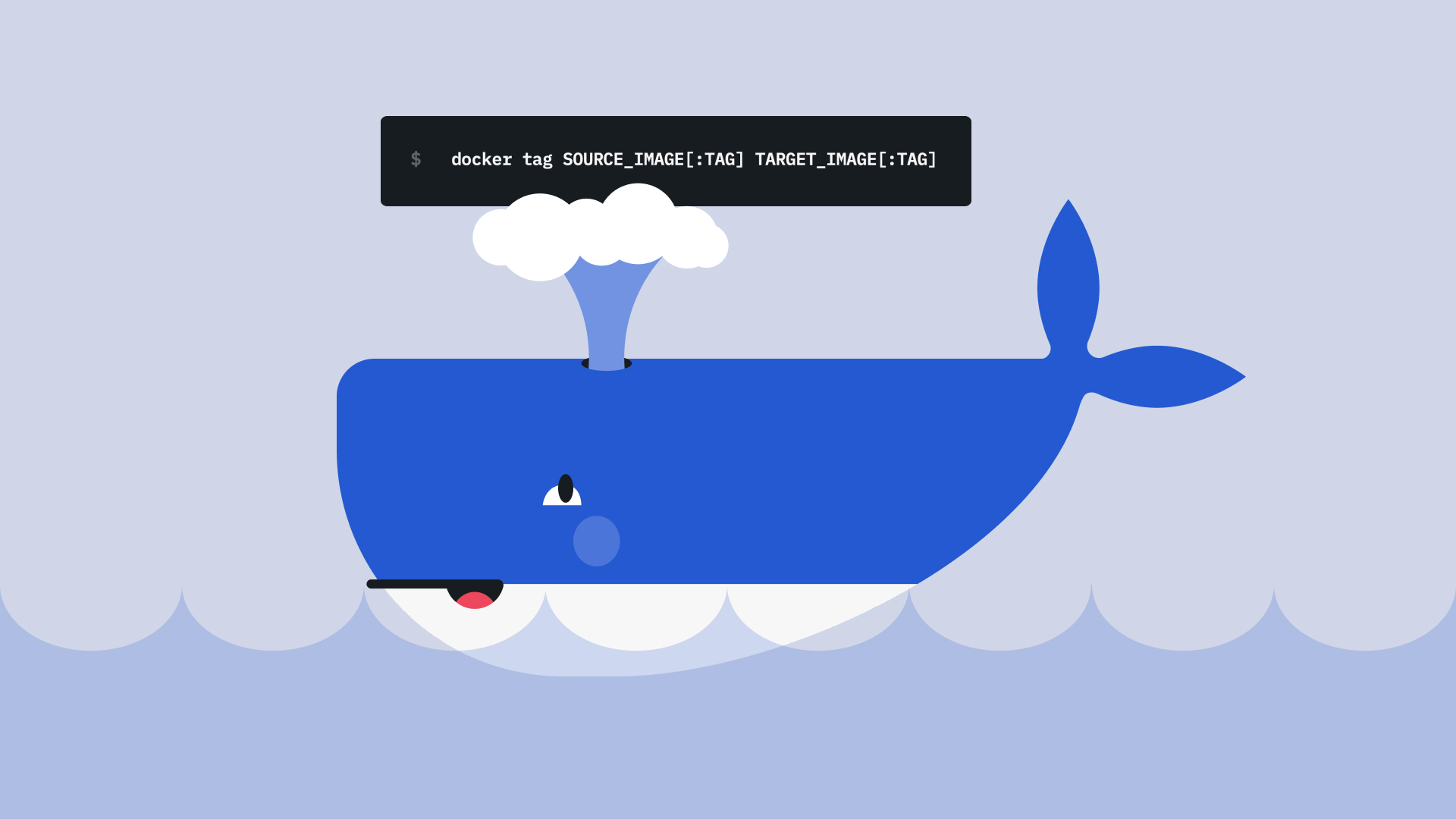
Rebuilding Docker Images? The Bad News: Only ~1 in 40 Are Truly Reproducible
Container images are now a core unit of software delivery—and a prime target for supply-chain attacks. In theory, reproducible container builds offer a clean integrity […]