Your “Best” Estimator Might Be Lying: The Hidden Freedom That Can Flip Economic Results
Economists often rely on statistical models that are over-identified—meaning the…
The Surprising Truth About Who Will Actually Use Digital Money First
A new economic study explores a deceptively simple question with…
What If One Hidden Data Point Could Beat Traditional Pricing? A Surprising Breakthrough in AI-Era Revenue Strategy
A new research paper introduces a surprisingly powerful idea in…
Dark Mode Doesn’t Always Save Energy: The Hidden Brightness Trap
Dark mode is often promoted as a simple way to…
Why Better Risk-Sharing Almost Never Happens in Complex Economies (Even When Everyone Wants It)
A new paper by Federico Echenique and Farzad Pourbabaee explores…

Goodbye WhatsApp Chaos: A Visual Workflow System That Keeps Projects Clean, Trackable, and Reliable
The Internet’s “Danger Zones”: How to Spot Information Voids Before Misinformation Takes Over
Social media and the open web run on an attention…
When AI Decides What “Violence” Means… It Doesn’t Think Like You Do
“Violence” feels like an obvious word—until someone asks you to…
The “Hidden Traffic Hack” in Chaotic Roads: Why 30–60% Vehicle Grouping Can Boost Flow (and When It Backfires)
If you’ve ever watched traffic in places where lane lines…
The “Household Size” Bombshell: Why Some European Countries Were Basically Set Up to Lose Against COVID
During the COVID-19 pandemic, Europe saw huge differences in how…
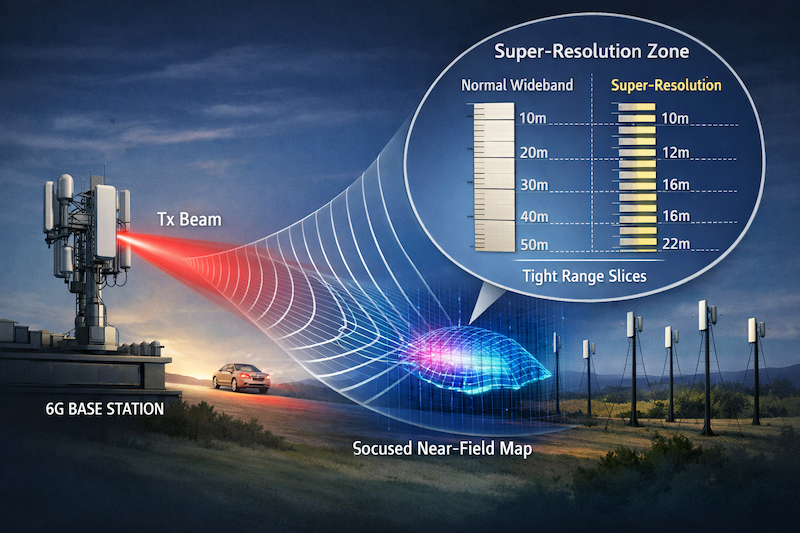
6G Radar Just “Cheated” Physics: Huge Antenna “Gaps” Unlock Near-Field Super-Resolution
Wireless sensing for 6G is running into a weird “good…
The Surprising Truth About Who Will Actually Use Digital Money First
A new economic study explores a deceptively simple question with…
Forecasting Oil Volatility through Network Models
This paper proposes a new method to forecast oil price…
Low Interest Rates Can Make a Country Rich… Then Quietly Make It Poorer (Stiglitz Explains Why)
For decades, policymakers and investors have repeated the same comforting…
NYC’s Congestion Toll Shock: Who Really Wins, Who Pays the Price?
When New York City launched its congestion pricing program in…
Dark Mode Doesn’t Always Save Energy: The Hidden Brightness Trap
Dark mode is often promoted as a simple way to…


AI That “Knows Physics” Can Predict Blood Flow in Your Neck—Without Expensive Scans or Slow Simulations
Cardiovascular disease is still the world’s biggest killer, and a major culprit is atherosclerosis—plaque buildup…

Scientists Might Finally Measure the Exact Moment Life Begins — And It Changes Everything
One of science’s oldest mysteries is deceptively simple: How does life actually begin? For decades,…

Your “Best” Estimator Might Be Lying: The Hidden Freedom That Can Flip Economic Results
Economists often rely on statistical models that are over-identified—meaning the model implies more testable conditions…
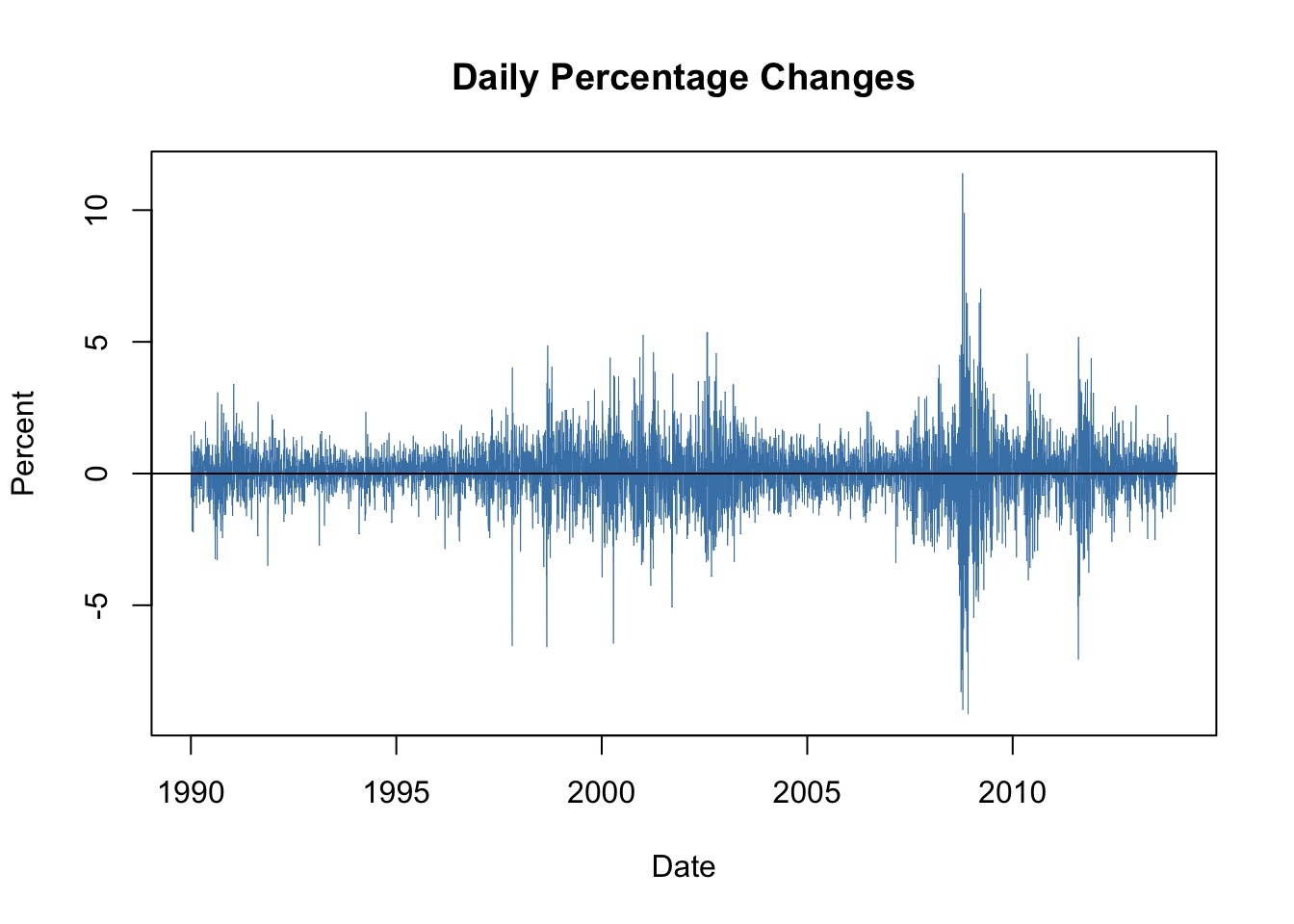
Forecasting Oil Volatility through Network Models
This paper proposes a new method to forecast oil price volatility that is: just as…

Why Working From Home Doesn’t Fix the Real Problem for Disabled Workers — And What Actually Will
Remote work was supposed to be the great equalizer. The pandemic forced companies to rethink…
BioBridge: Teaching LLMs to “Read” Proteins Without Forgetting How to Think
Protein science has a scale problem: databases like UniProt contain millions of protein sequences, but…

Rebuilding Docker Images? The Bad News: Only ~1 in 40 Are Truly Reproducible
Container images are now a core unit of software delivery—and a prime target for supply-chain…
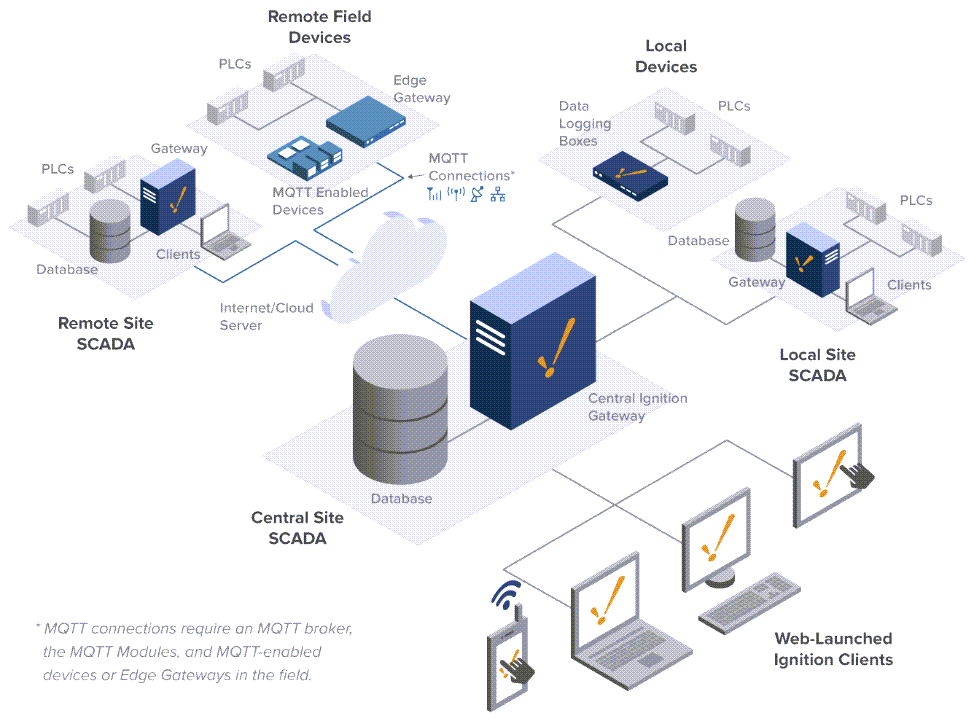
Mind the Boundary: How a Cloud Run “A2A Hub” Makes Gemini Enterprise Agents Actually Stable
Enterprise chat UIs are moving fast from “one model answers everything” to multi-agent systems: expense…
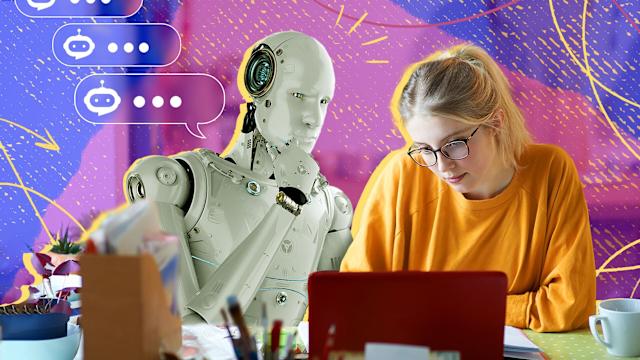
Why Some Professors Thrive With Generative AI (and Others Resist): The Hidden Power of Digital Self-Efficacy
Generative AI has landed in higher education like a shockwave. Tools that can draft text, generate examples, and help with research are now widely accessible—and they’re forcing universities to rethink…

Can Chatbots Keep Survivors Safe? Testing AI Advice for Technology-Facilitated Abuse
Why this matters Technology-facilitated abuse (TFA) is when an abusive partner uses everyday tech—phones, smart home devices, GPS trackers, social media, shared cloud accounts—to monitor, harass, or control someone. Survivors…

When AI Sounds Smart but Lies: How Students Spot (and Miss) ChatGPT Hallucinations
AI tools like ChatGPT are now a normal part of student life. Many students use them for coding help, explanations, summaries, and research. But there’s a big problem that can…

Dark Mode Doesn’t Always Save Energy: The Hidden Brightness Trap
Dark mode is often promoted as a simple way to save energy—especially on phones with OLED screens, where black pixels use less power. Many websites and apps even hint that…
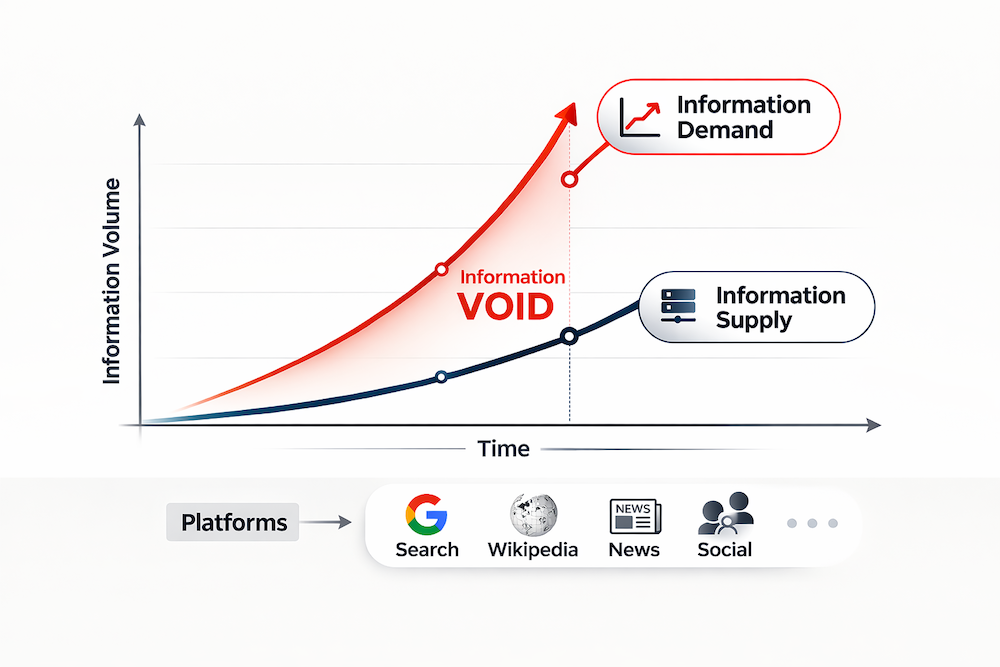
The Internet’s “Danger Zones”: How to Spot Information Voids Before Misinformation Takes Over
Social media and the open web run on an attention economy: people demand information (they search, read, and click) while creators and media supply information (they post, publish, and share).…
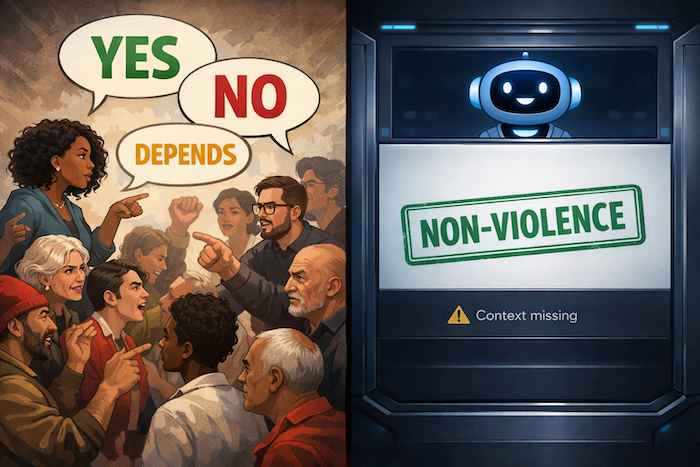
When AI Decides What “Violence” Means… It Doesn’t Think Like You Do
“Violence” feels like an obvious word—until someone asks you to define it. Is it only physical harm? Or does it include humiliation, exclusion, online harassment, and threats? A 2026 study…
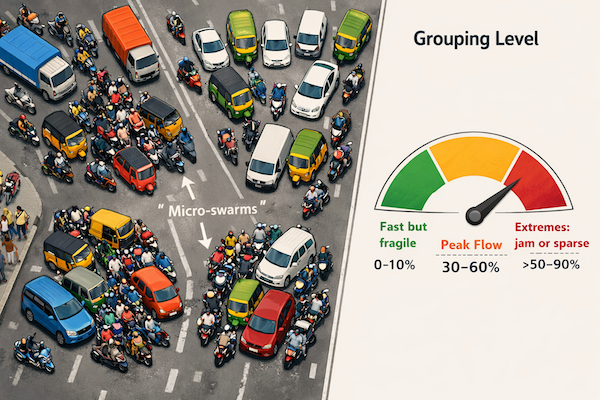
The “Hidden Traffic Hack” in Chaotic Roads: Why 30–60% Vehicle Grouping Can Boost Flow (and When It Backfires)
If you’ve ever watched traffic in places where lane lines are more “suggestions” than rules—think motorcycles weaving, auto-rickshaws squeezing through gaps, cars and heavy vehicles negotiating space on the fly—you’ve…

The “Household Size” Bombshell: Why Some European Countries Were Basically Set Up to Lose Against COVID
During the COVID-19 pandemic, Europe saw huge differences in how widely the virus spread from country to country. A common explanation is “policy differences” — lockdown timing, mask rules, school…
Can Chatbots Keep Survivors Safe? Testing AI Advice for Technology-Facilitated Abuse
Why this matters Technology-facilitated abuse (TFA) is when an abusive partner uses everyday tech—phones, smart home devices, GPS trackers, social media, shared cloud accounts—to monitor, harass, or control someone. Survivors…
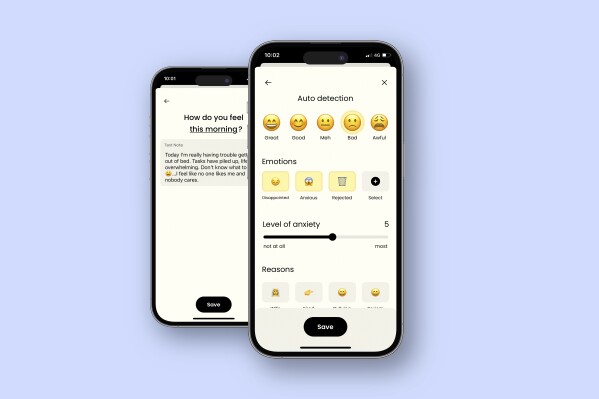
Are Mental Health Chatbots Actually Safe and Helpful? A Big Review Says “We’re Not Measuring It Right”
Mental health chatbots are everywhere now—from dedicated apps like Woebot to general AI assistants. But there’s a big problem behind the scenes: We don’t have a consistent way to evaluate…
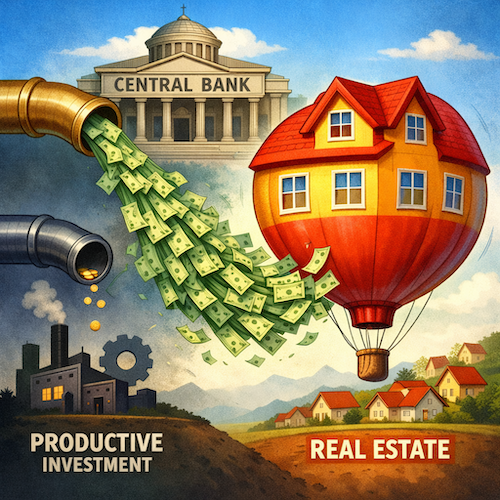
Low Interest Rates Can Make a Country Rich… Then Quietly Make It Poorer (Stiglitz Explains Why)
For decades, policymakers and investors have repeated the same comforting story: cheaper credit and easier money should boost growth. Lower interest rates make borrowing easier, businesses invest more, productivity rises,…
Your “Best” Estimator Might Be Lying: The Hidden Freedom That Can Flip Economic Results
Economists often rely on statistical models that are over-identified—meaning the model implies more testable conditions than the number of parameters being estimated. In textbooks, this comes with a neat promise:…