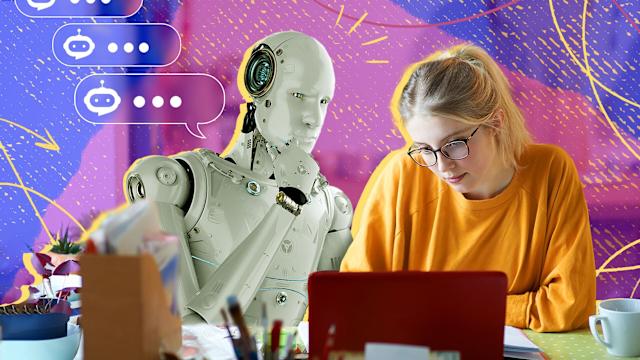
Generative AI has landed in higher education like a shockwave. Tools that can draft text, generate examples, and help with research are now widely accessible—and […]
Month: February 2026

Can Chatbots Keep Survivors Safe? Testing AI Advice for Technology-Facilitated Abuse
Why this matters Technology-facilitated abuse (TFA) is when an abusive partner uses everyday tech—phones, smart home devices, GPS trackers, social media, shared cloud accounts—to monitor, […]

When AI Sounds Smart but Lies: How Students Spot (and Miss) ChatGPT Hallucinations
AI tools like ChatGPT are now a normal part of student life. Many students use them for coding help, explanations, summaries, and research. But there’s […]
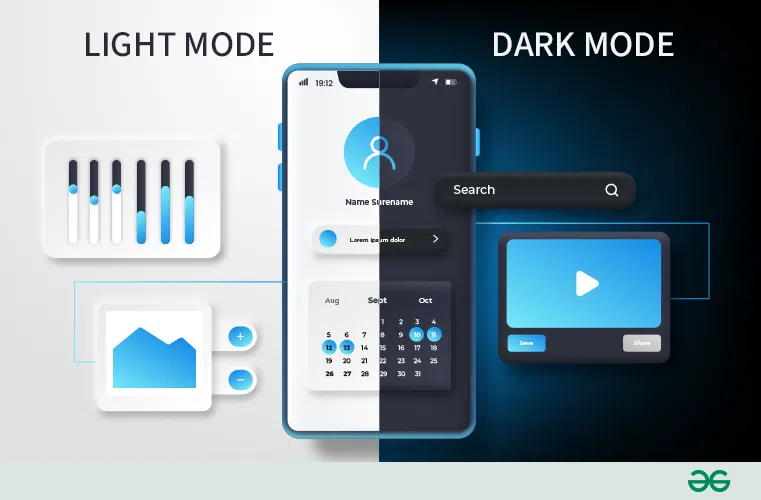
Dark Mode Doesn’t Always Save Energy: The Hidden Brightness Trap
Dark mode is often promoted as a simple way to save energy—especially on phones with OLED screens, where black pixels use less power. Many websites […]
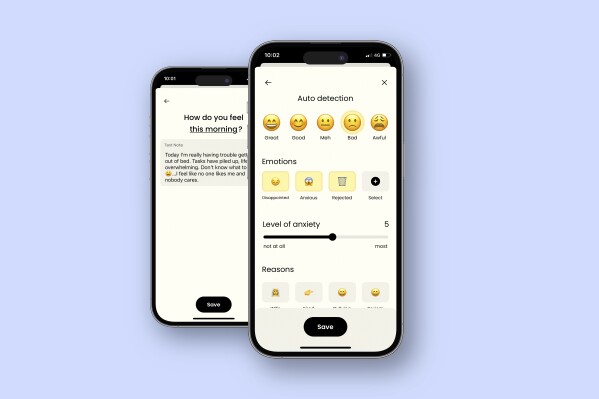
Are Mental Health Chatbots Actually Safe and Helpful? A Big Review Says “We’re Not Measuring It Right”
Mental health chatbots are everywhere now—from dedicated apps like Woebot to general AI assistants. But there’s a big problem behind the scenes: We don’t have […]
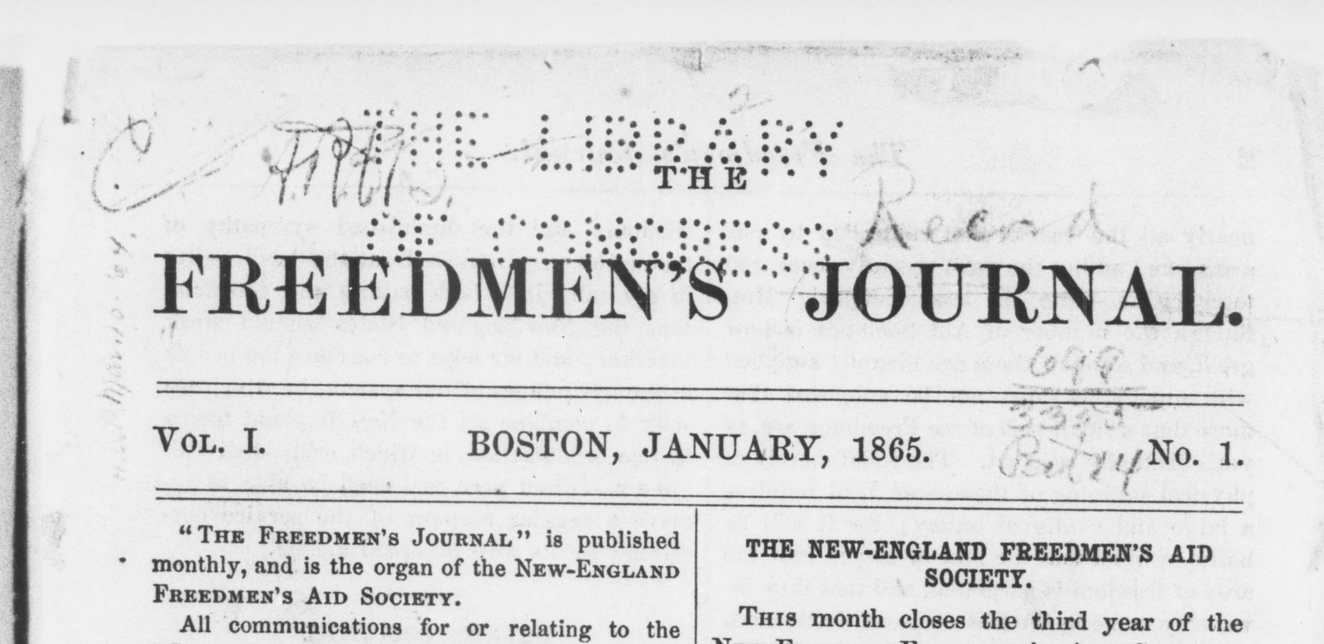
Teaching AI to Find Person–Place Links in Historical Texts
HIPE-2026 is a public AI competition (a “shared task”) run as part of CLEF, where teams build systems that read old historical texts and answer […]

Goodbye WhatsApp Chaos: A Visual Workflow System That Keeps Projects Clean, Trackable, and Reliable
Many teams still run projects with paper notes, Excel files, and WhatsApp messages. The problem is: information gets lost, tasks are hard to track, and […]

Your Video Search Is Too Vague — This AI Rewrites It (Only When It Should)
Searching in short-video apps is harder than it looks. People type very short queries—often just a name or a few words—so the search engine can’t […]
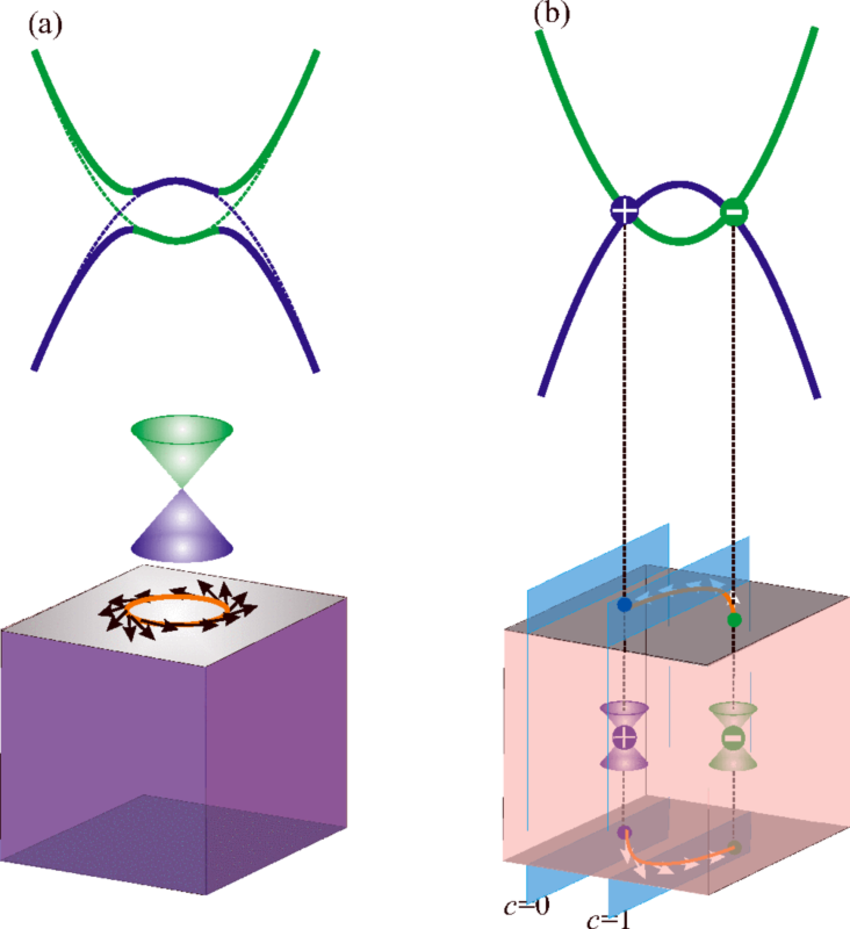
Anisotropic Marginal Fermi Liquids in Multi-Weyl Semimetals: How Coulomb Interactions Reshape Quasiparticles
Weyl semimetals are topological materials where conduction and valence bands touch at isolated “Weyl nodes” in momentum space. These nodes behave like monopoles of Berry […]

Stop Guessing the Language: This New Method Lets the Tokenizer Decide
If you’ve ever copied a short text online and wondered “What language is this?”, you’re touching a real problem in AI. This task is called […]